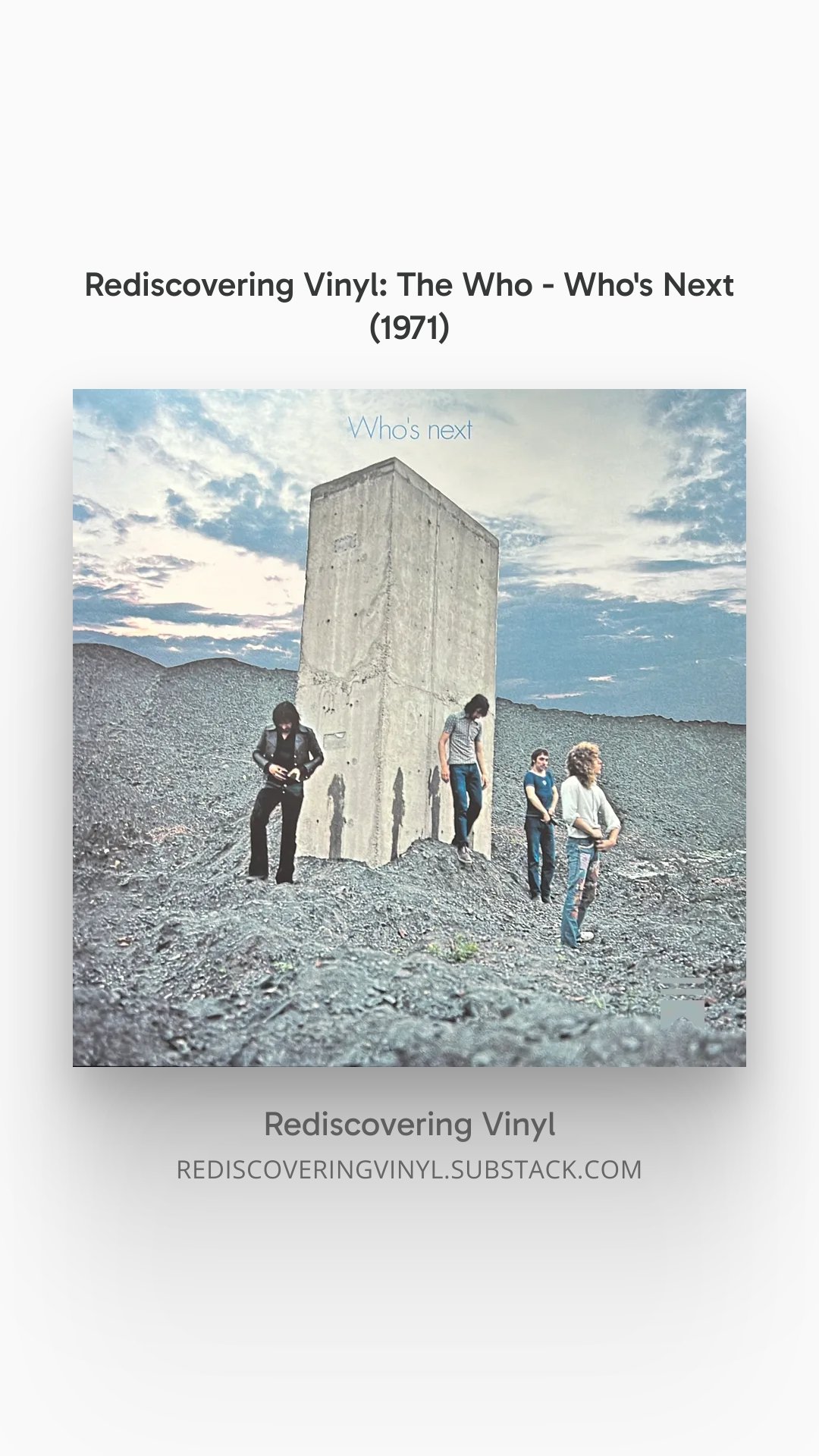
The Who - Who’s Next (1971)
“Who’s Next” isn’t just a great rock record. It’s the moment The Who transformed the wreckage of the abandoned Lifehouse project into something sharper, louder, and strangely more human. This post looks at how the album plays like a greatest‑hits collection disguised as a studio release, why its sequencing feels like a career survey, and how those songs still hit with the same force today.
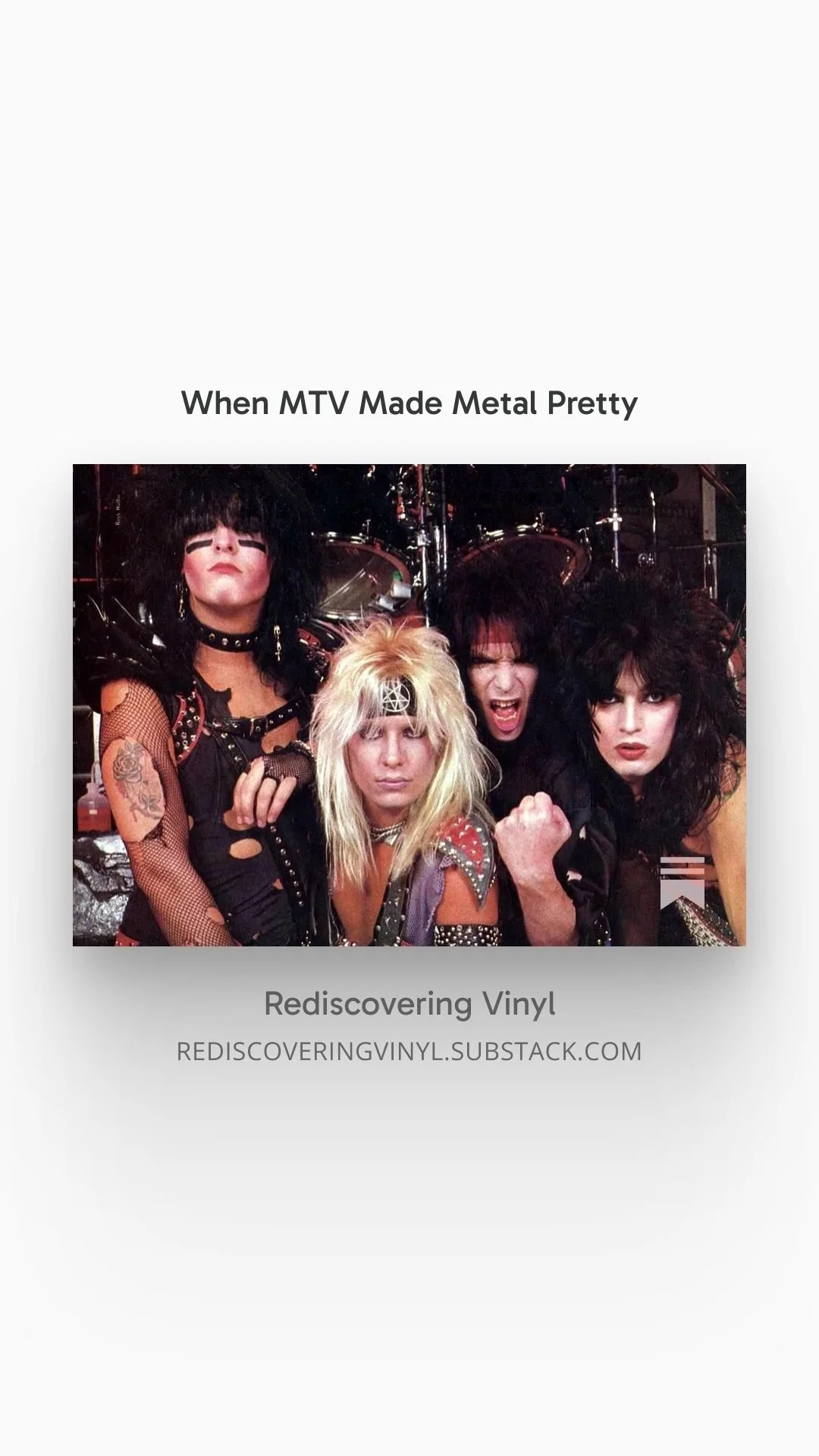
When MTV Made Metal Pretty
This post goes back to the moment MTV rewired an entire generation’s idea of what heavy metal looked and sounded like. It starts with a dorm‑room memory and a Ratt video, then follows the shift from raw, club‑level heaviness to the neon‑lit spectacle that defined the early 80s. It’s about how glam metal became the gateway, how tastes evolved toward heavier bands, and why that era still matters in the story of becoming a music fan.
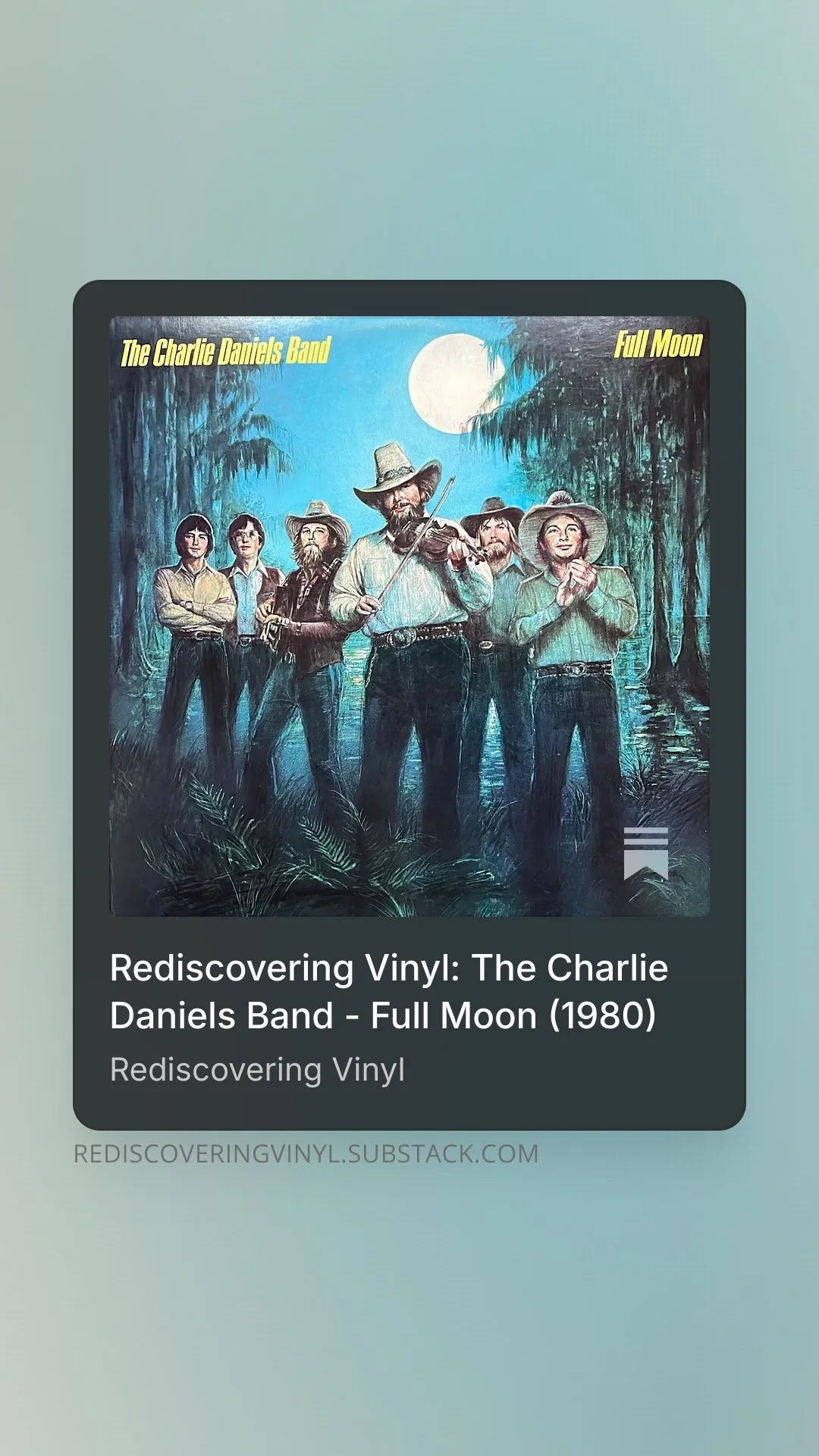
The Charlie Daniels Band - Full Moon (1980)
Full Moon is one of those albums that sneaks up on you. Released in 1980 at the height of the Charlie Daniels Band’s commercial momentum, it blends country, rock, blues, and storytelling with a confidence that feels both effortless and ambitious. The record moves from fiddle‑driven fire to cinematic narrative pieces, from Spanish‑tinged textures to laid‑back grooves, all held together by the band’s chemistry and Daniels’ unmistakable voice. It’s an album that doesn’t settle into one identity because it isn’t trying to — it’s exploring, stretching, and finding new corners of the CDB sound. More than a collection of songs, Full Moon plays like a series of short films set to music, each one revealing a different facet of the band at a creative peak.
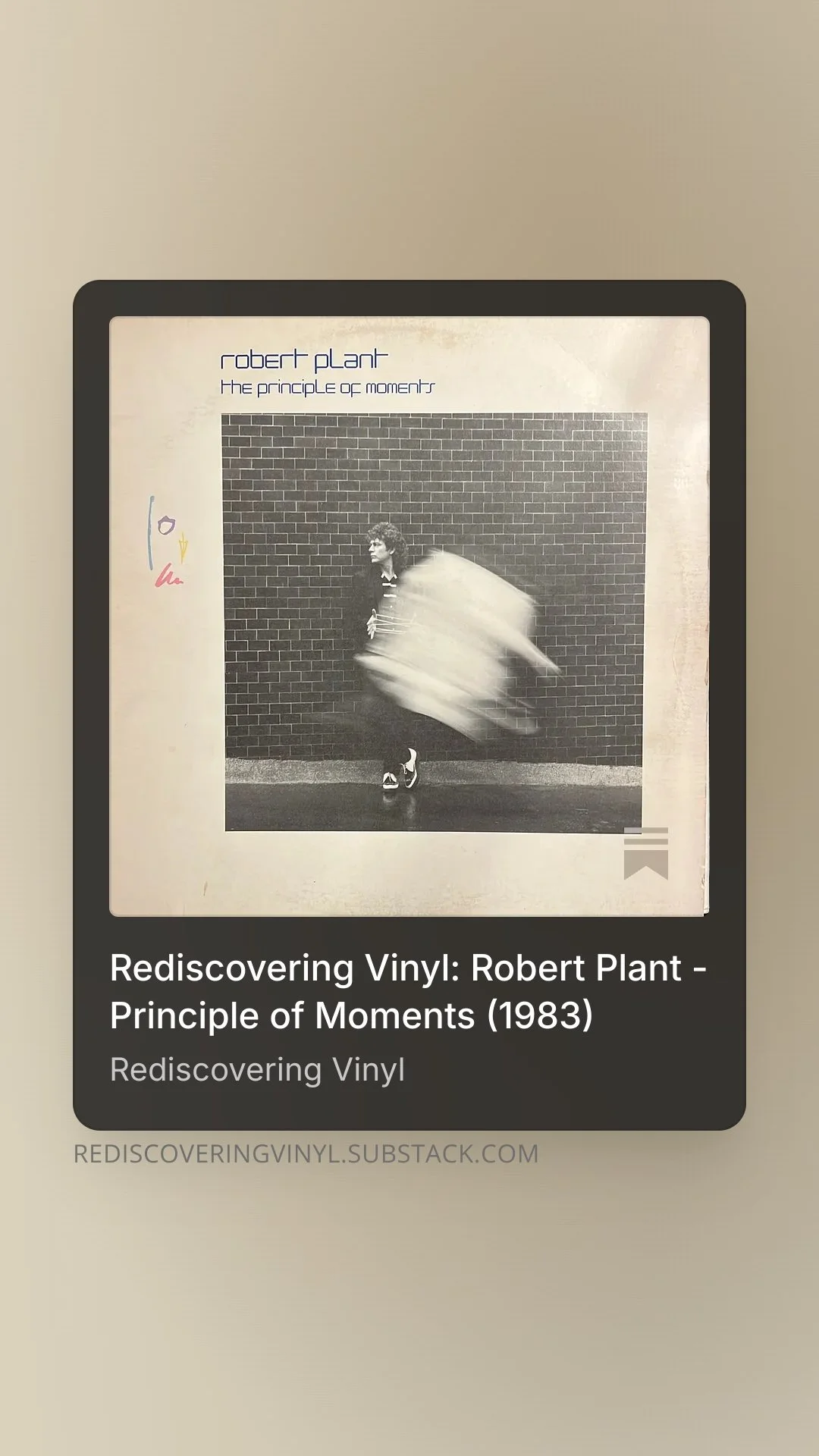
Robert Plant - Principle of Moments (1983)
Robert Plant’s second solo album finds him stepping fully out of Zeppelin’s shadow and into a sound built on atmosphere, restraint, and unexpected collaborators. The Principle of Moments is where Plant discovers a new center of gravity — with Robbie Blunt’s guitar work shaping the emotional palette and Phil Collins’ precision giving the songs their pulse. Revisiting it now reveals an artist in transition, experimenting with space, texture, and a quieter kind of confidence.

Stevie Nicks - Bella Donna (1981)
Stevie Nicks’ 1981 solo debut captures the moment she stepped out of Fleetwood Mac’s shadow and found her own voice. Bella Donna blends heartbreak, independence, and mysticism into a record that feels both intimate and cinematic. This commentary explores how the album’s Side Two reveals its emotional core — from “Edge of Seventeen” to “Leather and Lace.”
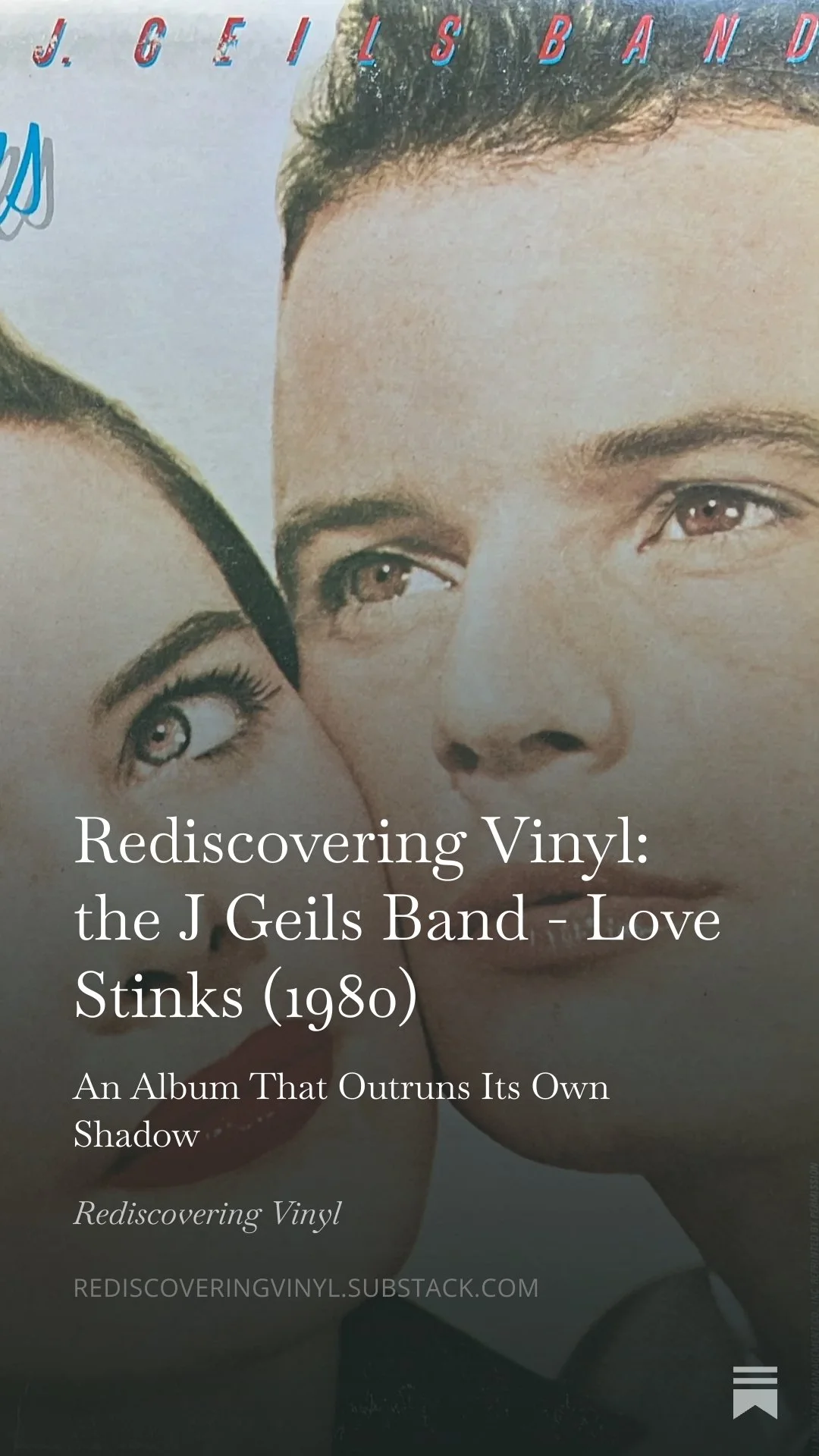
J. Geils Band - Love Stinks (1980)
More than a punchline or a wedding‑DJ anthem, Love Stinks is the sound of a great bar band navigating the early 80s with swagger, hooks, and a surprising amount of heart. The title track may dominate the cultural memory, but the album around it is sharper, funnier, and more musically adventurous than most people remember. This commentary revisits the deeper cuts and the hinge‑point moment in the band’s evolution.
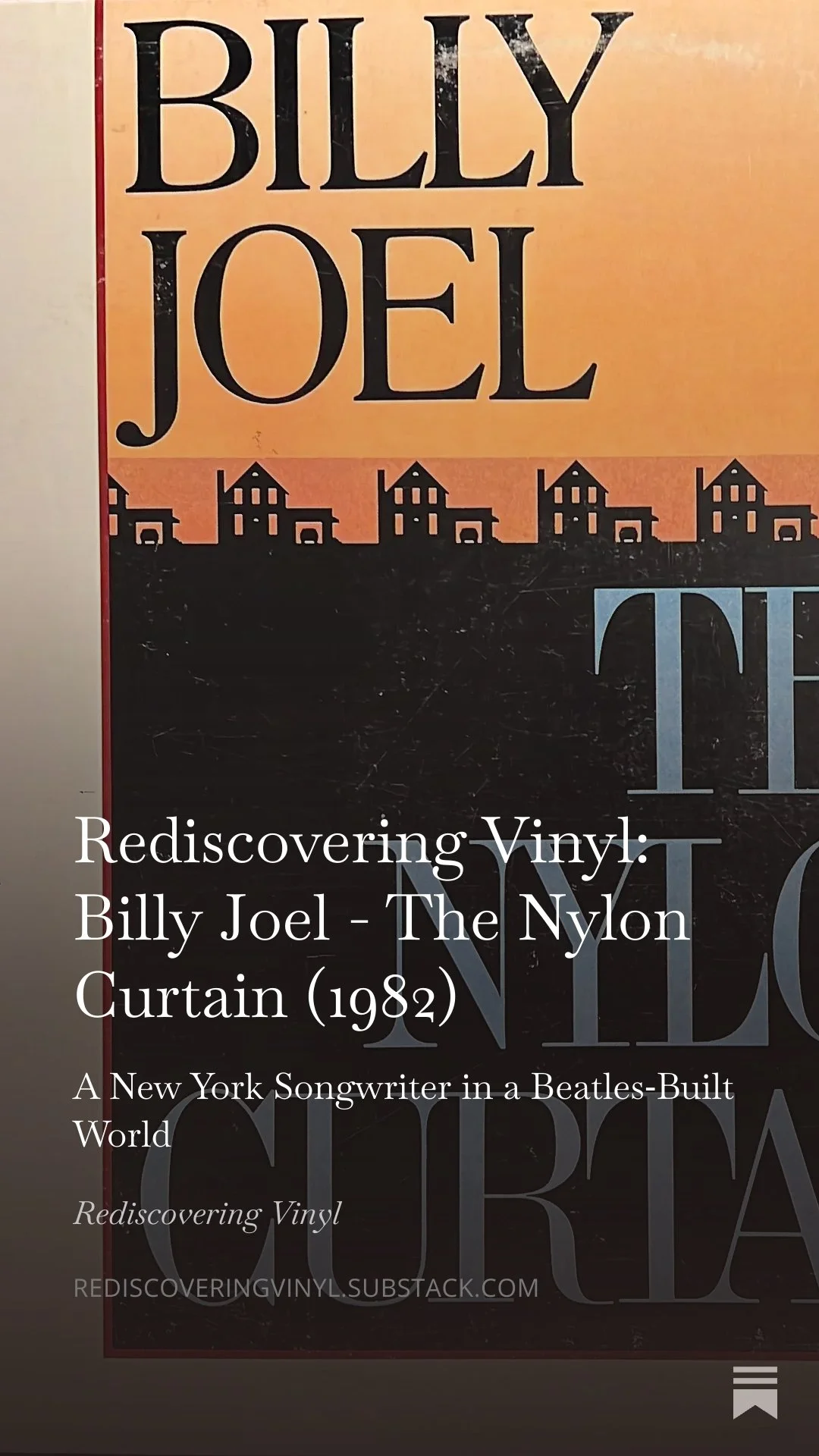
Billy Joel - The Nylon Curtain (1982)
Billy Joel’s most ambitious studio album is also one of his most misunderstood. The Nylon Curtain trades the street‑level New York energy of his late‑70s records for something more layered, anxious, and meticulously constructed. This commentary explores the album’s shift in sound, its Beatles‑inflected production, and the way its themes of disillusionment, pressure, and the fraying American Dream hit differently with time.
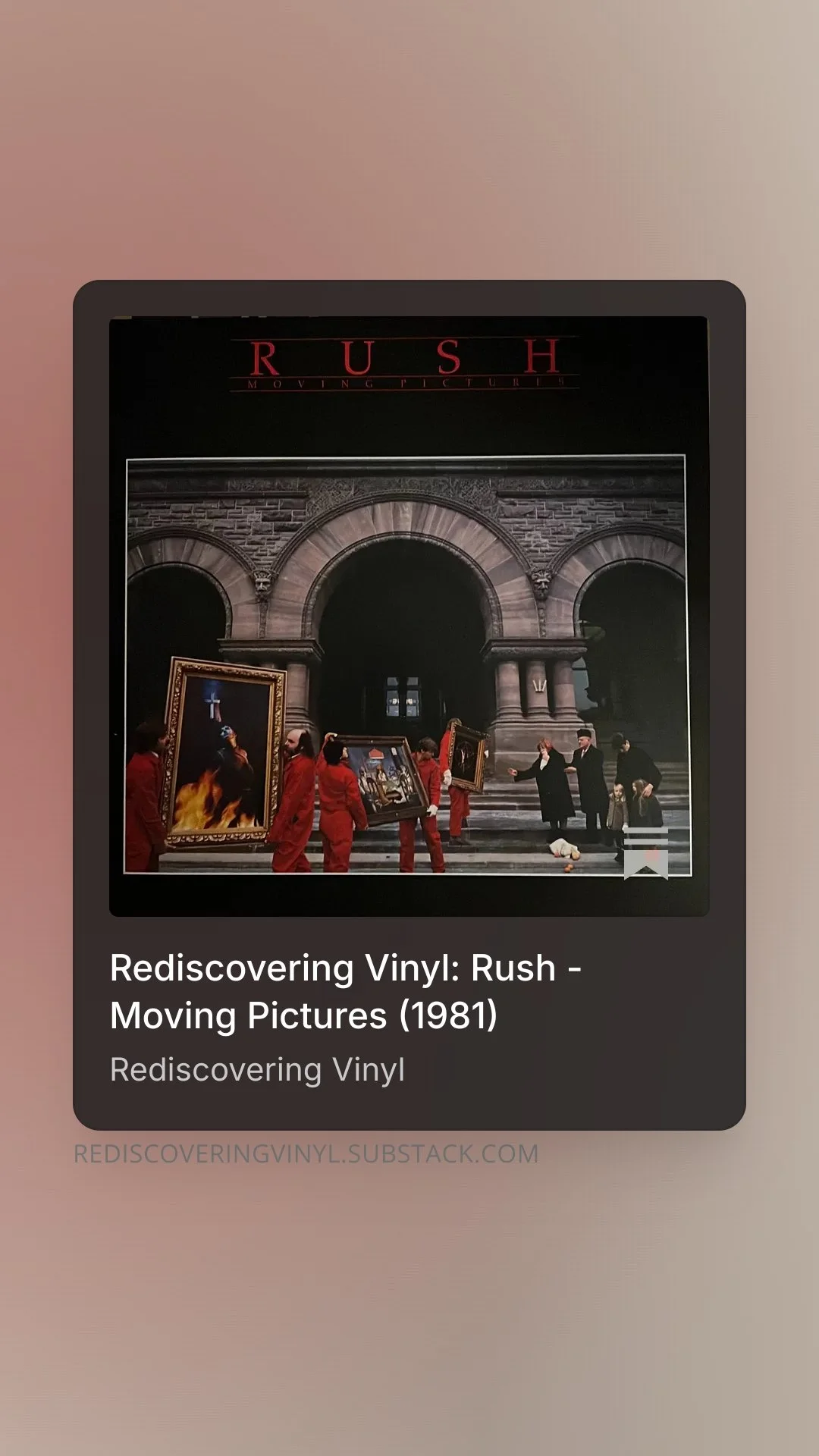
Rush - Moving Pictures (1981)
Widely regarded as Rush’s breakthrough album, Moving Pictures captures the moment the band fused their progressive roots with a tighter, more accessible sound. It’s the record that pulled countless listeners — myself included — into the world of Rush for the first time. This commentary revisits the album’s precision, its emotional undercurrent, and the way these songs still feel both technically sharp and deeply human decades later.
